

Best Biodegradable Baby Wipes 99% Water Plastic-Free 2026
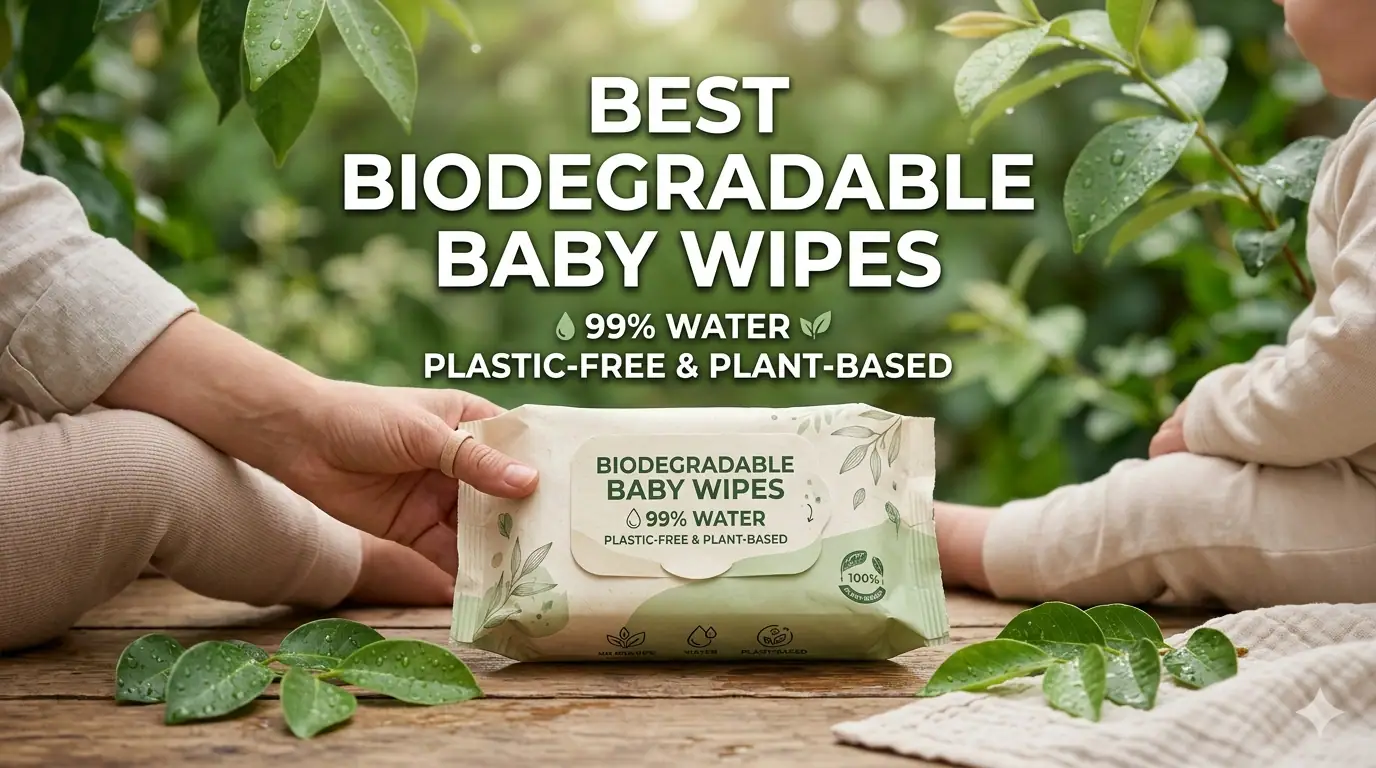
Introduction to Biodegradable Baby Wipes
As parents, we want the best for our babies and our planet. The choice of baby wipes might seem small, but it carries significant environmental and health implications. Traditional baby wipes often contain plastic fibers that take hundreds of years to decompose, harsh chemicals that can irritate sensitive skin, and unnecessary additives that serve no purpose beyond marketing claims. The good news is that a new generation of biodegradable baby wipes has emerged, offering a cleaner, greener alternative that prioritizes both your baby's delicate skin and environmental sustainability.
The gold standard in eco-friendly wipes combines two critical features: a 99% water formula that minimizes chemical exposure, and plastic-free, biodegradable materials that break down naturally without harming ecosystems. These wipes use purified water as the primary ingredient, supplemented only by gentle, natural components needed for cleansing and preservation. The substrate, or wipe material itself, is made from plant-based fibers like bamboo, cotton, or wood pulp that decompose naturally rather than persisting in landfills for centuries.
This comprehensive guide explores the best biodegradable baby wipes that are 99% water and plastic-free. We examine what makes wipes truly eco-friendly, review top brands based on ingredients, performance, and sustainability credentials, discuss cost considerations, provide guidance on proper disposal, and share expert insights for making informed choices. Whether you are a new parent navigating product choices or an experienced caregiver seeking to reduce your environmental footprint, this evidence-based resource will help you select wipes that align with your values and your baby's needs.
Why 99% Water and Plastic-Free Matters
The Problem with Traditional Baby Wipes
Most conventional baby wipes contain plastic fibers, typically polyester or polypropylene, which make them durable but virtually non-biodegradable. These plastic-based wipes can take up to 500 years to decompose, contributing to the estimated 1.8 million tons of wipe waste generated annually in the United States alone. When flushed, they cause blockages in sewage systems and contribute to fatbergs, massive congealed masses that cost municipalities millions in repairs.
Beyond environmental concerns, traditional wipes often contain a cocktail of chemicals including parabens, phthalates, formaldehyde-releasing preservatives, artificial fragrances, and alcohol. These ingredients can disrupt the skin barrier, trigger allergic reactions, and potentially interfere with hormonal development in infants. The average baby wipe contains only about 50-70% water, with the remainder consisting of various chemicals, surfactants, and preservatives.
Benefits of 99% Water Formulas
Wipes formulated with 99% water dramatically reduce chemical exposure while maintaining effective cleansing. The remaining 1% typically includes gentle preservatives necessary to prevent bacterial growth, and occasionally mild natural ingredients like aloe or chamomile for soothing properties. This minimalist approach offers several advantages:
- Reduced Irritation Risk: Fewer ingredients mean fewer potential allergens and irritants for sensitive baby skin
- Effective Cleansing: Purified water removes dirt and messes without harsh surfactants
- Environmental Safety: Minimal chemical load means less environmental impact during production and disposal
- Cost Efficiency: Water is inexpensive, allowing manufacturers to focus resources on quality materials and sustainable practices
Plastic-Free Materials and Biodegradability
True biodegradable wipes use plant-based materials that break down naturally through microbial action. Common substrates include:
- Bamboo: Fast-growing, renewable, naturally antibacterial, and soft on skin
- Organic Cotton: Gentle, hypoallergenic, and biodegradable when not blended with synthetics
- Wood Pulp (FSC Certified): Sustainably sourced, soft, and compostable
- Viscose from Bamboo: Soft, absorbent, and biodegradable when produced responsibly
These materials decompose within weeks to months under proper composting conditions, compared to centuries for plastic-based wipes. However, biodegradability depends on disposal method; wipes break down fastest in industrial composting facilities with controlled heat, moisture, and microbial activity.
What to Look for in Eco-Friendly Baby Wipes
Essential Certifications and Standards
When evaluating biodegradable wipes, look for third-party certifications that verify environmental and safety claims:
- FSC Certification: Ensures wood-based materials come from responsibly managed forests
- USDA Organic: Verifies organic content and restricts synthetic ingredients
- EPA Safer Choice: Indicates safer chemical ingredients for human and environmental health
- Biodegradable Products Institute (BPI): Confirms compostability in industrial facilities
- Dermatologically Tested: Validates safety for sensitive skin
- Hypoallergenic: Indicates reduced allergen potential, though not regulated
Be wary of vague terms like "natural" or "eco-friendly" without certification backing, as these are not regulated and can be used for greenwashing.
Ingredients to Prioritize and Avoid
Prioritize:
- Purified or aqua water (should be first ingredient)
- Plant-based fibers (bamboo, cotton, wood pulp)
- Gentle preservatives like sodium benzoate or potassium sorbate
- Natural soothing agents like aloe vera or chamomile (optional)
- pH-balanced formulations (around 5.5 to match skin)
Avoid:
- Polyester, polypropylene, or other plastic fibers
- Parabens (methylparaben, propylparaben)
- Phthalates
- Formaldehyde-releasing preservatives (DMDM hydantoin, imidazolidinyl urea)
- Artificial fragrances or dyes
- Alcohol (can dry and irritate skin)
- Sodium lauryl sulfate (SLS) or harsh surfactants
- Phenoxyethanol in high concentrations
Performance Considerations
Eco-friendly wipes must balance sustainability with functionality. Key performance factors include:
- Strength and Durability: Should hold together during use without tearing or falling apart
- Moisture Level: Adequately wet without dripping or drying out quickly
- Softness: Gentle on delicate skin, especially for newborns
- Cleansing Ability: Effectively removes messes without excessive rubbing
- Packaging: Resealable to maintain moisture; ideally made from recycled or recyclable materials
Top Biodegradable Baby Wipes: 99% Water and Plastic-Free
WaterWipes Original Baby Wipes
Overview: WaterWipes pioneered the 99.9% water formula and remains a gold standard in the category. These wipes contain just two ingredients: 99.9% purified water and 0.1% grapefruit seed extract for preservation.
Material: Made from viscose derived from sustainably sourced wood pulp, biodegradable and plastic-free.
Key Features:
- 99.9% water content, highest in category
- Suitable from birth, ideal for premature babies
- Dermatologically and allergy accredited
- Free from alcohol, parabens, sulfates, and fragrances
- Registered with the Vegan Society
- Biodegradable within 15 days in industrial composting
Performance: Soft, gentle, and effective for sensitive skin. Some users note they can dry out if package is not sealed properly.
Price Range: Premium pricing at approximately $4-6 per 60-count pack.
Best For: Newborns, babies with eczema or extremely sensitive skin, parents prioritizing minimal ingredients.
Bambo Nature Baby Wipes
Overview: Bambo Nature combines Scandinavian quality with environmental responsibility, offering wipes that are 99% water and certified eco-friendly.
Material: Made from FSC-certified wood pulp and plant-based fibers, fully biodegradable.
Key Features:
- 99% purified water
- 0.1% aloe vera and chamomile for soothing
- Nordic Swan Ecolabel certified
- Free from parabens, perfume, and alcohol
- Thick, durable texture
- Biodegradable and compostable
Performance: Excellent durability and moisture retention. The aloe and chamomile provide gentle soothing without irritation.
Price Range: Mid-premium at approximately $3-5 per 56-count pack.
Best For: Eco-conscious parents seeking certified sustainable products with added soothing ingredients.
Honest Company Baby Wipes
Overview: Founded by Jessica Alba, The Honest Company offers plant-based wipes with transparent ingredient lists and commitment to safety.
Material: Made from plant-based fibers including bamboo and wood pulp, plastic-free and biodegradable.
Key Features:
- 99% water formula
- Organic aloe and chamomile
- Free from fragrances, alcohol, and parabens
- Hypoallergenic and dermatologist-tested
- Available in unscented and lightly scented varieties
- Biodegradable materials
Performance: Soft and effective with good moisture level. The plant-based formula is gentle on sensitive skin.
Price Range: Mid-range at approximately $3-4 per 72-count pack.
Best For: Families wanting accessible eco-friendly options with brand transparency and variety.
Pura Baby Wipes
Overview: Pura focuses on simplicity and sustainability, offering wipes with minimal ingredients and maximum environmental responsibility.
Material: Made from 100% biodegradable plant-based fibers, plastic-free.
Key Features:
- 99% purified water
- 0.1% natural preservative blend
- FSC-certified materials
- Free from alcohol, parabens, and fragrances
- Thick, cloth-like texture
- Compostable in home and industrial facilities
Performance: Exceptionally thick and durable, resistant to tearing. Maintains moisture well even after opening.
Price Range: Mid-premium at approximately $4-5 per 64-count pack.
Best For: Parents prioritizing thickness and durability alongside environmental credentials.
Seventh Generation Free & Clear Baby Wipes
Overview: A trusted name in eco-friendly products, Seventh Generation offers wipes that balance performance, safety, and sustainability.
Material: Made from plant-based fibers including wood pulp and cotton, biodegradable.
Key Features:
- 99% water formula
- Aloe and vitamin E for skin nourishment
- Free from fragrances, alcohol, and parabens
- Hypoallergenic
- USDA Certified Biobased Product
- Biodegradable materials
Performance: Soft and gentle with adequate moisture. The aloe and vitamin E provide extra skin conditioning.
Price Range: Budget-friendly at approximately $2-4 per 64-count pack.
Best For: Budget-conscious families seeking accessible eco-friendly options without compromising safety.
Naty by Nature Babycare Wipes
Overview: Swedish brand Naty specializes in eco-friendly baby products with rigorous environmental standards.
Material: Made from renewable wood pulp and plant fibers, plastic-free and biodegradable.
Key Features:
- 99% purified water
- 0.1% natural ingredients
- EU Ecolabel certified
- Free from alcohol, parabens, and chlorine
- Extra soft texture
- Biodegradable and compostable
Performance: Very soft and gentle, ideal for delicate skin. Slightly thinner than some competitors but effective for routine changes.
Price Range: Mid-range at approximately $3-5 per 56-count pack.
Best For: Parents seeking European-quality eco-certifications and gentle performance.
Cost Comparison and Value Analysis
Price Per Wipe Breakdown
While eco-friendly wipes often cost more upfront than conventional options, the price gap has narrowed significantly. Here is a typical cost comparison:
- Conventional plastic wipes: $0.02-0.04 per wipe
- Biodegradable 99% water wipes: $0.04-0.08 per wipe
- Premium organic wipes: $0.08-0.12 per wipe
For an average baby using 6-8 wipes daily, the annual cost difference between conventional and biodegradable wipes ranges from $150-300. Many parents find this premium justified by reduced environmental impact and lower risk of skin irritation.
Maximizing Value
To make eco-friendly wipes more affordable:
- Buy in bulk: Larger packs or subscription services often offer 15-25% discounts
- Subscribe and save: Many brands offer 10-20% off with subscription delivery
- Use strategically: Reserve premium wipes for sensitive areas and use washcloths for routine changes
- Watch for sales: Stock up during promotional periods or through warehouse clubs
- Consider cloth wipes: For maximum sustainability and long-term savings, reusable cloth wipes eliminate ongoing costs
Proper Disposal and Composting Guidelines
Understanding Biodegradability Claims
Not all "biodegradable" wipes break down equally. The decomposition rate depends on several factors:
- Industrial Composting: Controlled facilities with optimal heat (140°F+), moisture, and microbial activity can break down certified compostable wipes in 12-90 days
- Home Composting: Less controlled conditions mean slower decomposition, typically 6-12 months or longer
- Landfill: Lack of oxygen and microbial activity significantly slows decomposition, potentially taking years even for biodegradable materials
- Soil Burial: Direct burial in soil with adequate moisture and microbes can achieve decomposition in 3-6 months
Disposal Best Practices
DO:
- Dispose of used wipes in trash unless specifically certified for home composting
- Check local composting facility acceptance of biodegradable wipes
- Remove packaging before composting wipes
- Use for non-food compost if concerned about bacterial contamination
- Follow brand-specific disposal guidelines
DO NOT:
- Flush wipes, even if labeled "flushable" (most are not truly sewer-safe)
- Place in recycling bins (contaminated wipes cannot be recycled)
- Assume all biodegradable wipes are home-compostable
- Leave wipes in environment; always dispose properly
Home Composting Considerations
If you wish to compost biodegradable wipes at home:
- Verify the product is certified home-compostable (not just industrially compostable)
- Use only for diaper changes without solid waste, or compost only urine-only wipes
- Add to hot compost pile with adequate nitrogen-carbon balance
- Turn regularly to maintain aeration and heat
- Allow 6-12 months for complete decomposition
- Do not use resulting compost on edible plants if wipes contacted fecal matter
DIY and Alternative Options
Making Your Own Baby Wipes
For maximum control over ingredients and minimal environmental impact, consider making your own wipes:
Basic Recipe:
- 1 roll of organic cotton paper towels or soft cloth squares
- 2 cups purified water
- 1 tablespoon gentle baby soap or castile soap
- 1 tablespoon coconut oil or almond oil
- Optional: 1-2 drops chamomile or lavender essential oil (for babies over 3 months)
Instructions:
- Cut paper towels into wipe-sized squares or use pre-cut cloth squares
- Mix water, soap, and oil in a container
- Place wipes in airtight container and pour solution over them
- Allow to saturate completely before use
- Store in refrigerator for up to 1 week, or freeze portions for extended storage
Advantages: Complete ingredient control, minimal packaging waste, cost-effective, customizable.
Disadvantages: Time-intensive, shorter shelf life, requires refrigeration, less convenient for travel.
Cloth Wipes as Zero-Waste Alternative
Reusable cloth wipes offer the ultimate in sustainability:
Benefits:
- Zero waste after initial purchase
- Cost savings over time (one-time investment of $50-100 vs. ongoing purchases)
- Softest option for sensitive skin
- Can be used for multiple purposes beyond diaper changes
- No disposal concerns
Considerations:
- Requires washing (add to regular laundry)
- Less convenient for travel or daycare
- Need 24-48 wipes for comfortable rotation
- Initial cost higher but pays for itself in 6-12 months
Best Approach: Many families use a hybrid system: cloth wipes at home, biodegradable disposable wipes for travel, outings, and childcare.
Expert Tips for Choosing and Using Eco Wipes
Reading Labels Effectively
When evaluating wipes, look beyond marketing claims:
- Check the ingredient list: Water should be first; avoid unrecognizable chemical names
- Verify certifications: Look for FSC, USDA Organic, BPI, or other third-party seals
- Research the brand: Check for transparency about sourcing, manufacturing, and environmental commitments
- Beware of greenwashing: Terms like "natural" without certification are meaningless
- Check packaging: Even eco-friendly wipes lose value if packaged in non-recyclable plastic
Transitioning to Eco-Friendly Wipes
If switching from conventional wipes:
- Transition gradually: Mix old and new wipes to help baby adjust to different texture
- Monitor skin response: Watch for any reactions during the first week
- Adjust technique: Biodegradable wipes may feel different; use gentle patting rather than rubbing
- Be patient: It may take a few uses to find your preferred brand and technique
Storage and Freshness Tips
To maintain wipe quality:
- Always reseal package immediately after use
- Store in cool, dry place away from direct sunlight
- Use within 30 days of opening for optimal moisture
- If wipes dry out, add a small amount of purified water to rehydrate
- For travel, use resealable bags to prevent drying
Frequently Asked Questions
Are 99% water wipes as effective as traditional wipes
Yes, 99% water wipes are highly effective for routine diaper changes and cleaning. Purified water removes dirt and messes efficiently. For particularly challenging messes, you may need to use an extra wipe or two, but the cleansing power is comparable to traditional wipes without the chemical load.
Can I flush biodegradable baby wipes
No, even biodegradable wipes should not be flushed. "Biodegradable" refers to breakdown in composting conditions, not sewer systems. Wipes do not disintegrate quickly enough to prevent blockages and can contribute to fatbergs and sewage problems. Always dispose of wipes in trash or compost, never toilet.
Do plastic-free wipes cost significantly more
Biodegradable wipes typically cost 50-100% more than conventional plastic wipes, translating to approximately $150-300 more annually for average use. However, prices have decreased as demand has grown, and many families find the environmental and health benefits justify the premium. Buying in bulk, subscribing, or using cloth wipes part-time can reduce costs.
Are 99% water wipes safe for newborns and premature babies
Yes, 99% water wipes are among the safest options for newborns and premature babies due to minimal ingredients and absence of harsh chemicals. Brands like WaterWipes are specifically tested and approved for premature infant care. Always patch test first and consult your pediatrician if your baby has specific skin conditions.
How do I know if wipes are truly plastic-free
Look for explicit "plastic-free" or "100% biodegradable" claims backed by certifications like BPI or TÜV Austria OK Compost. Check ingredient lists for polyester, polypropylene, or other synthetic fibers. Contact manufacturers directly if unclear; reputable brands are transparent about materials.
Can biodegradable wipes cause allergic reactions
While less likely than conventional wipes due to fewer ingredients, any product can potentially cause reactions in sensitive individuals. The 1% non-water ingredients (preservatives, natural extracts) could trigger allergies in rare cases. Choose fragrance-free, hypoallergenic options and patch test new products. Discontinue use if irritation occurs.
Do eco-friendly wipes dry out faster than traditional wipes
Some biodegradable wipes may dry out slightly faster if packaging is not sealed properly, as plant-based materials can be more absorbent. However, quality brands use resealable packaging designed to maintain moisture. Store properly, reseal immediately after use, and use within recommended timeframes for best results.
Conclusion: Making Informed Choices for Baby and Planet
Choosing biodegradable baby wipes that are 99% water and plastic-free represents a meaningful step toward sustainable parenting without compromising your baby's comfort or safety. These wipes eliminate unnecessary chemicals, reduce plastic pollution, and support a healthier planet for future generations while providing gentle, effective cleansing for your little one's delicate skin.
The market for eco-friendly wipes has matured significantly, offering options across price points and performance preferences. Whether you choose WaterWipes for minimal ingredients, Bambo Nature for certified sustainability, or Seventh Generation for accessibility, you are making a choice that aligns with environmental values and infant health priorities.
Remember that perfect is the enemy of good. If you cannot access or afford premium eco-wipes exclusively, using them part-time, making your own, or combining with cloth wipes still reduces environmental impact. Every plastic-free wipe matters. Every chemical avoided benefits your baby's developing system. Every biodegradable choice supports market demand for sustainable products.
As you navigate this important decision, trust your instincts, do your research, and choose products that align with your family's values and needs. Your baby deserves gentle care, and our planet deserves protection. With biodegradable, 99% water wipes, you can provide both, one change at a time.


0 Comments